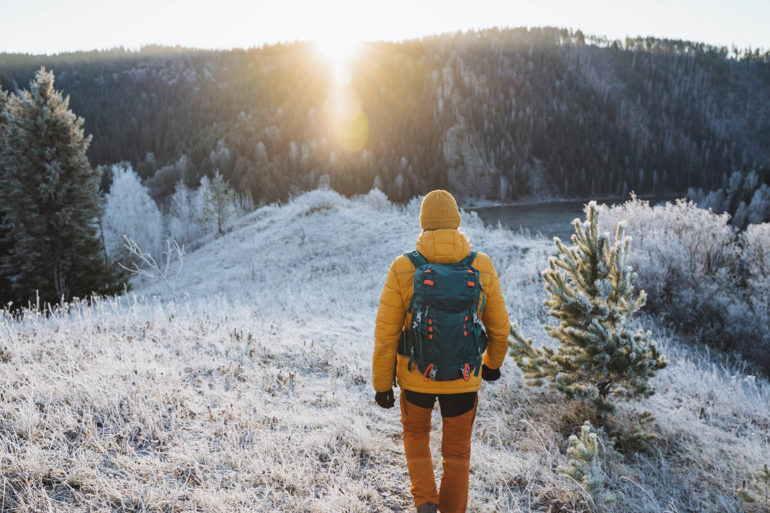

Winter hiking can be magical—quiet forests, crisp air, snow-covered peaks, and a sense of solitude that’s hard to find in any other season. But with all its beauty, winter also brings hazards that demand respect. Shorter daylight hours, rapidly changing weather, freezing temperatures, and slippery terrain all mean one thing: safety begins with the right gear and clothing.
Whether you’re heading out for a quick morning walk or a full-day adventure, proper winter gear isn’t optional—it’s essential. Here’s why.
1. Cold Weather Can Escalate Quickly
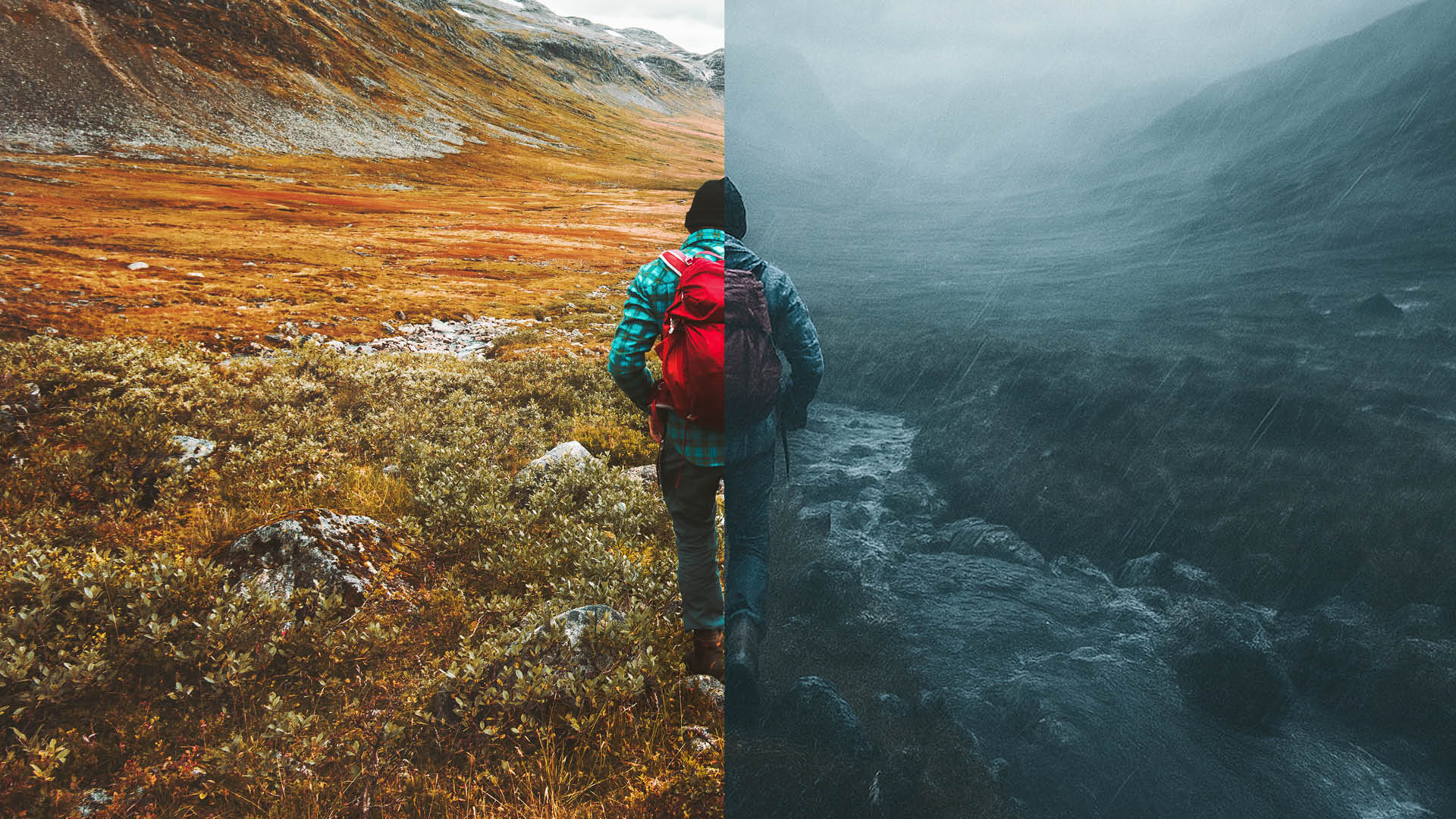
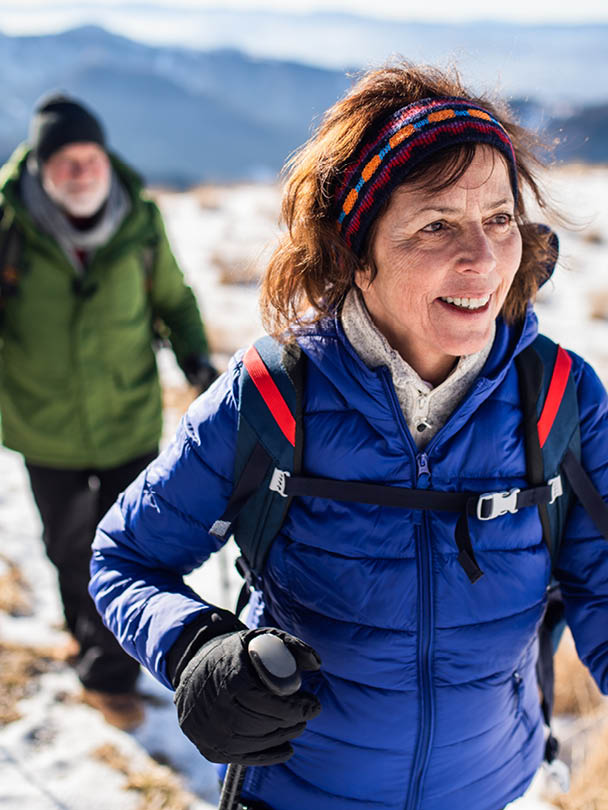
Winter conditions can change in minutes. A sunny morning can turn into a windy, white-out afternoon without warning. Without proper insulation, your body loses heat faster than it can produce it—putting you at risk of hypothermia and frostbite.
Gear that protects you:
- Base layers: Moisture-wicking fabric keeps sweat off your skin. Damp clothing in winter can be dangerous.
- Insulating layers: Fleece, down, or synthetic insulation traps body heat.
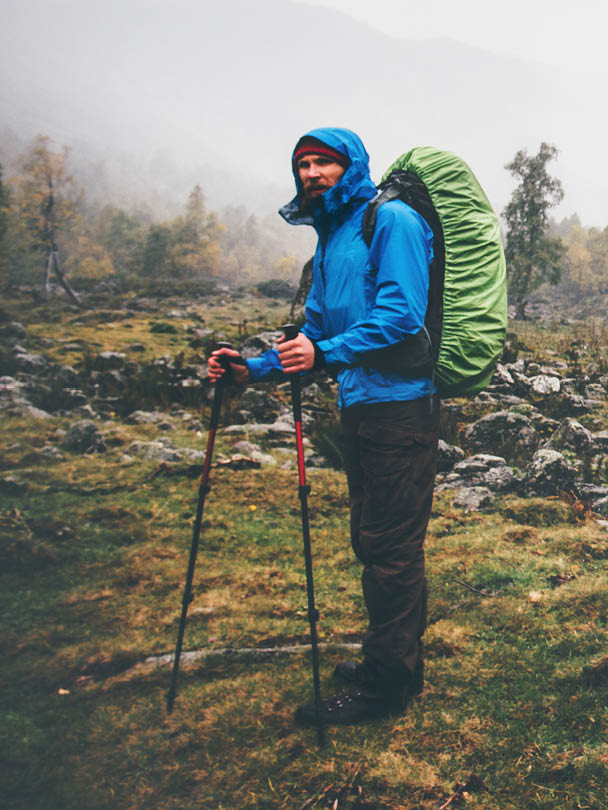
- Waterproof & windproof shell: Shields you from snow, rain, and biting wind.
Staying warm isn’t just about comfort—it’s about survival.
2. Wet Clothing Is the Enemy
Snow may look soft and harmless, but once it melts on your clothing, you’re in trouble. Wet fabric steals body heat up to 25 times faster than dry fabric.
Stay dry with:
- Waterproof boots
- Gaiters to keep snow out
- Water-resistant gloves
- A breathable waterproof jacket
Choosing winter-ready materials keeps you protected from the chill that moisture brings.
3. Dangerous Terrain Requires Proper Footwear
Winter trails are often covered in:
- Ice
- Packed snow
- Hidden obstacles
- Unstable surfaces
The wrong footwear can turn a beautiful hike into a dangerous fall.
Footwear that keeps you safe:
- Insulated, waterproof boots with solid ankle support
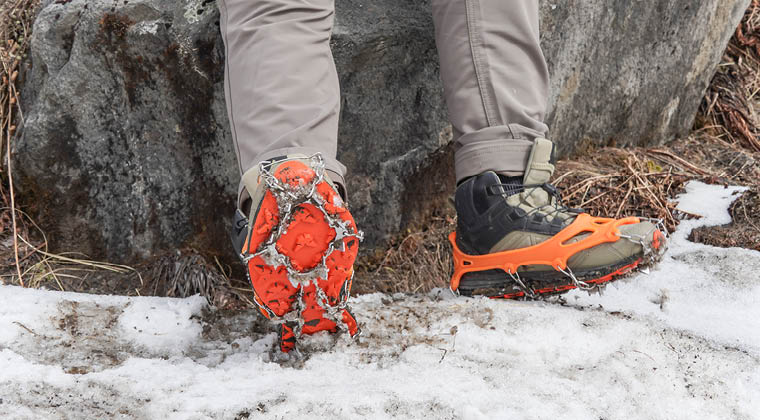
- Microspikes, crampons, or snowshoes, depending on conditions
- Traction aids for icy sections
Good grip can prevent injuries and help you move with confidence.
4. Visibility Drops Faster in Winter
Winter days are short, and cloud cover comes fast. Snow glare during the day and pitch-dark evenings can create visibility challenges.
Essential visibility gear:
- Headlamp with spare batteries
- High-visibility clothing or reflectors
- Polarized sunglasses to reduce glare
Seeing clearly—and being seen—is crucial to safe navigation.
5. Emergency Situations Are More Serious in Cold Weather
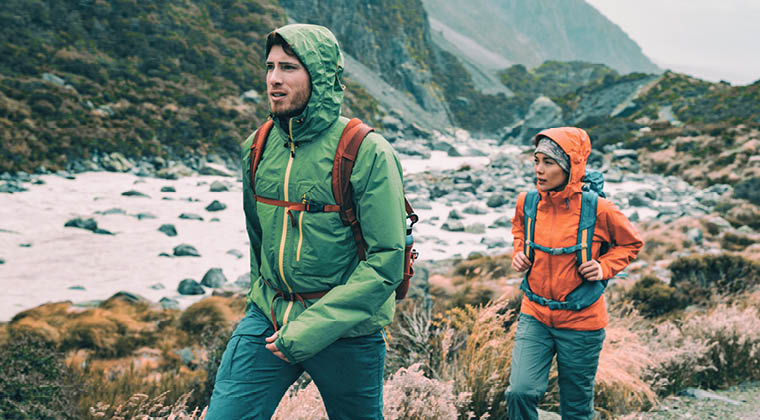
A twisted ankle, a wrong turn, or an unexpected storm is more dangerous when temperatures are dropping. The cold makes it harder to stay warm while you wait for help, and your energy drains faster.
Always pack:
- Emergency blanket
- Extra layers
- Fire-starting tools
- High-energy snacks
- Navigation tools (map, compass, GPS)
- Fully charged phone and/or power bank
Preparation keeps small problems from becoming big ones.
6. Winter Hiking Is About Respecting the Environment
Winter landscapes are fragile and remote. Gear that protects you also helps you minimize your impact:
- Snow baskets on trekking poles reduce trail damage
- Proper footwear prevents widening of paths
- Warm layers help you avoid unnecessary shortcuts or unsafe detours
When you’re properly equipped, you can enjoy the terrain responsibly and safely.
Final Thoughts: Safety First, Adventure Second
Winter hiking is an incredible way to explore nature—but only if you’re prepared. The right gear and clothing form your first line of defence against cold, wind, and unpredictable conditions.
A safe hiker is a prepared hiker.
Invest in proper winter gear, dress smartly, pack essentials, and give yourself the confidence to enjoy the winter wilderness safely.