
Winter transforms the outdoors into something magical — quiet forests, frozen lakes, crisp mountain views and snow underfoot. But snow and ice also change how the landscape behaves and how we need to move through it.
With the right preparation, winter adventures can be safe, fun and deeply rewarding. Here’s how to get out there confidently — and the gear that makes the biggest difference.
1. Start by Planning Like a Pro
Winter reduces margin for error. A small mistake (wrong turn, slower pace, soaked gloves) can become serious quickly.
Before you go:
- Check the weather forecast (including wind chill and visibility).
- Look at trail conditions — snow depth, ice risk, avalanche advisories (if applicable).
- Tell someone where you’re going and when you’ll be back.
- Shorten your planned route — winter travel usually takes longer.
- Aim to be off the trail well before dark (days are short!)
And remember: turning back is not failing — it’s good judgement.
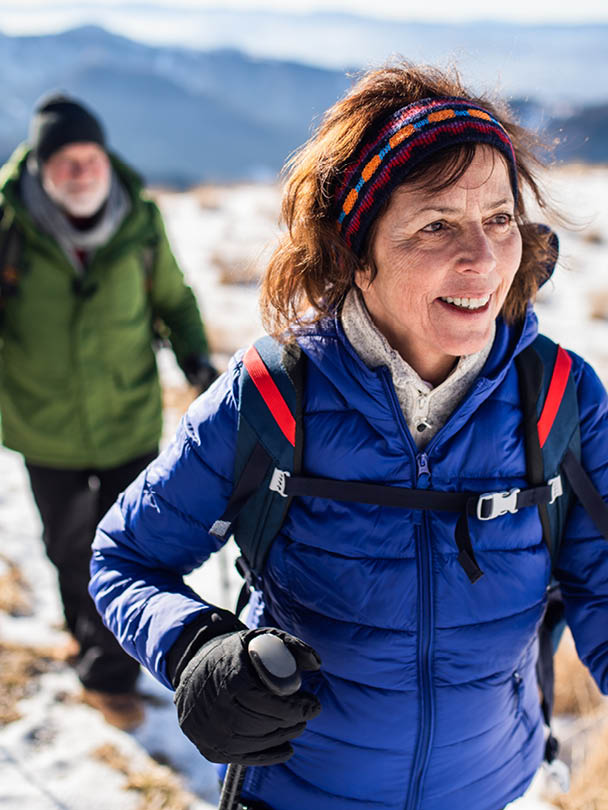
2. Layer Smart: Warmth Without Overheating
The trick in winter isn’t just staying warm — it’s staying warm and dry.
The Layering System
Base layer:
Wicks sweat off your skin. Choose merino wool or synthetic. Avoid cotton (it holds moisture and chills you fast).
Mid layer:
Provides insulation. Fleece or lightweight down/synthetic jackets work great.
Outer layer:
Blocks wind and water. A waterproof, breathable shell is essential.
Add These Winter Must-Haves
- Insulated gloves (plus a spare pair)
- Warm hat and buff
- Thick hiking socks (and a spare pair)
- Gaiters to keep snow out of boots
- Sunglasses or goggles (snow glare is real!)
If you stop for breaks, put on an extra warm layer immediately so you don’t lose heat.
3. Footwear: Traction Is Everything
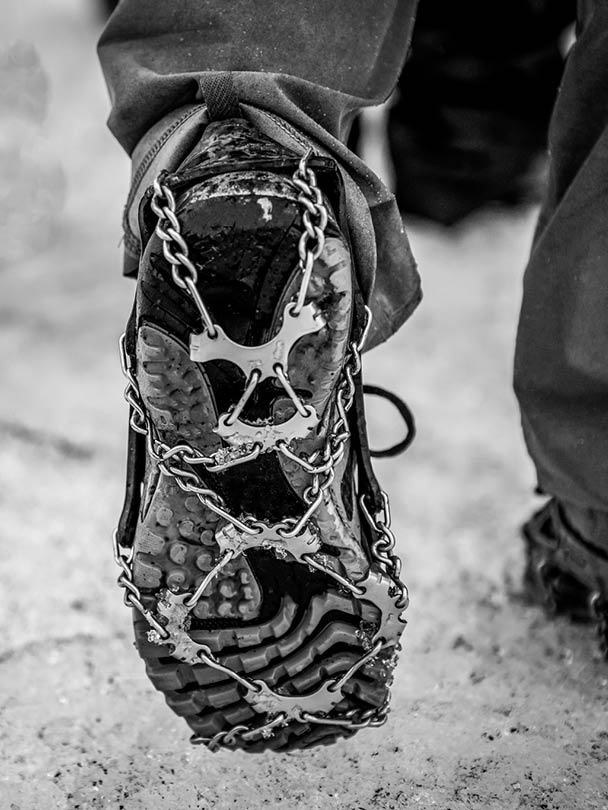
Snow and ice change how your boots grip — and slips are the most common winter injury outdoors.
Best traction tools
Microspikes:
Great for icy trails and packed snow. They slip over boots and add reliable grip.
Crampons:
For steep, icy, or mountainous terrain. Not necessary for casual trails — but essential when the angle gets serious.
Snowshoes:
Perfect for deep, powdery snow where you’d otherwise sink.
Pair all of the above with:
- Waterproof hiking boots
- Solid ankle support
- Proper socks (wool or synthetic)
If your feet stay dry, everything else feels easier.
4. Stay Hydrated & Fueled (Even If You Don’t Feel Thirsty)
Cold weather tricks you into thinking you’re fine — but you still sweat and breathe out moisture.
- Drink regularly (warm tea in a flask is great).
- Keep water bottles insulated so they don’t freeze.
- Eat slow-burning snacks like nuts, cheese, jerky, and sandwiches.
Your body burns more calories in winter — fuel it accordingly.
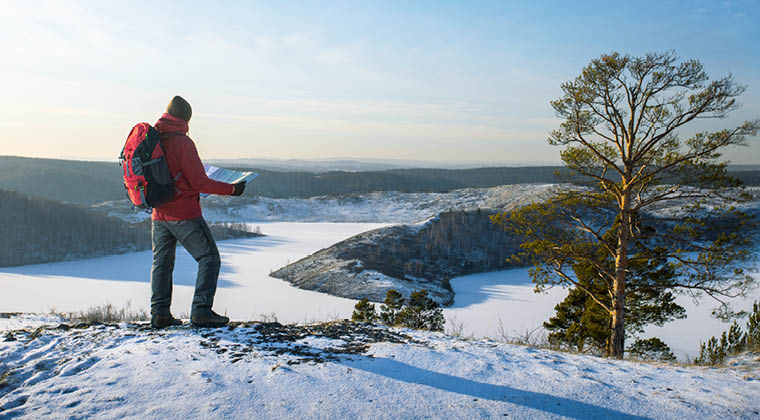
5. Navigation: Don’t Rely Only on Tracks
Snow can cover trail markers and footprints can mislead you. Always carry:
- A map and compass (and know how to use them)
- GPS or phone navigation with offline maps
- A fully charged power bank
If visibility drops, navigation tools become your best friend.
6. Respect Avalanche & Frozen Water Risks
If you hike in mountainous or alpine areas, learn the basics of avalanche awareness and always check local reports.
And remember:
- Frozen lakes and rivers may not be safe to walk on unless they are officially tested.
- Avoid standing directly under snow-loaded slopes, cornices, or cliffs.
When in doubt: avoid it.
7. Pack a Winter Safety Kit
A good winter pack should include:
- Emergency blanket or bivvy bag
- First aid kit
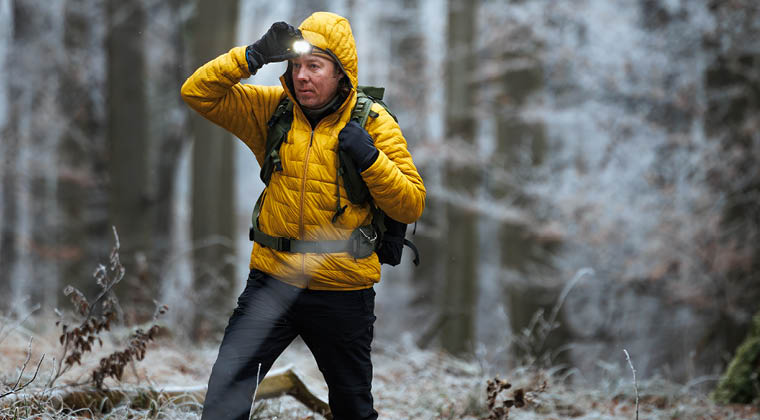
- Head torch with spare batteries
- Fire starter/lighter
- Extra food and gloves
- Small repair kit (duct tape fixes a lot!)
It weighs very little — and can make a huge difference.
8. Know When to Call It a Day
The mountains will always be there.
If the weather turns, the trail feels unsafe, your hands/feet go numb or the group isn’t comfortable — turn around. Experience comes from making conservative decisions, not risky ones.
Final Thought: Winter Is Meant to Be Enjoyed
Snow and ice don’t have to be barriers — they just require respect and the right mindset.
Plan well. Dress smart. Choose proper traction. Carry a margin of safety.
Do that — and winter becomes one of the best seasons to get outside.