
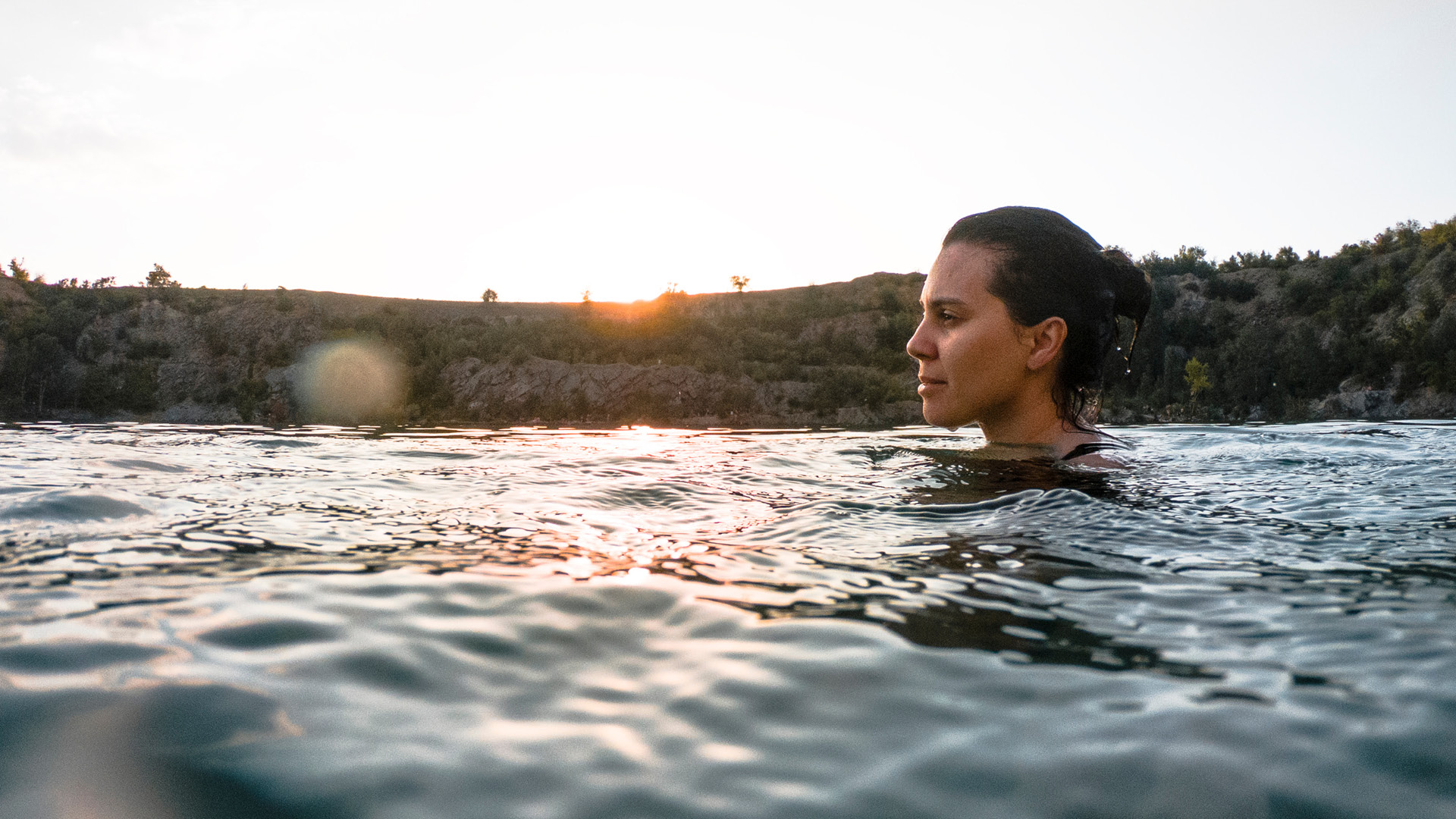
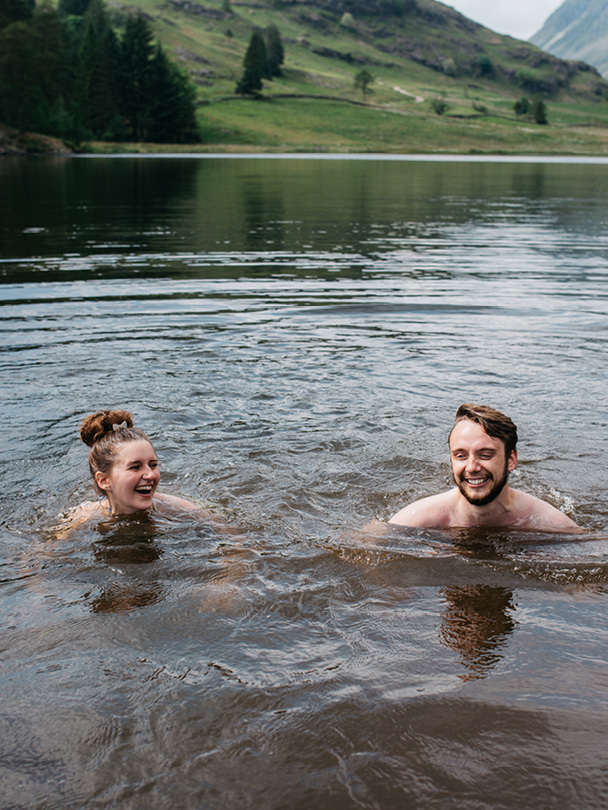
Cold water wild swimming has surged in popularity in recent years, and for good reason. Plunging into natural lakes, rivers, or the sea can boost your mood, improve circulation, strengthen the immune system, and even increase energy levels. It’s a thrilling way to connect with nature, challenge yourself physically, and experience a rush of endorphins.
However, wild swimming in cold water isn’t without risks. Knowing how to prepare and swim safely is essential to make the experience enjoyable and prevent accidents. In this guide, we’ll cover exactly how to do cold water wild swimming safely—before, during, and after your dip.
Before You Swim: Preparation is Key
1. Check the Location
Not all wild swimming spots are safe. Research your chosen lake, river, or sea area beforehand. Look for:
- Depth and underwater hazards (rocks, currents, debris)
- Water quality (avoid polluted water)
- Accessibility and safe entry/exit points
2. Know Your Limits
If you’re new to cold water swimming, start with short, shallow dips. Gradually increase your time and depth as your body adapts.
3. Dress Appropriately
- Wear a wetsuit if water temperatures are extremely low or if you’re swimming for longer periods.
- Neoprene gloves, booties, and a suitable hat can protect extremities from the cold.
4. Warm Up
Perform light exercises like jogging, jumping jacks, or dynamic stretches to increase blood flow before entering the water. Avoid overheating, though—moderate warm-up is best.
During Your Swim: Staying Safe in the Water
1. Enter Gradually
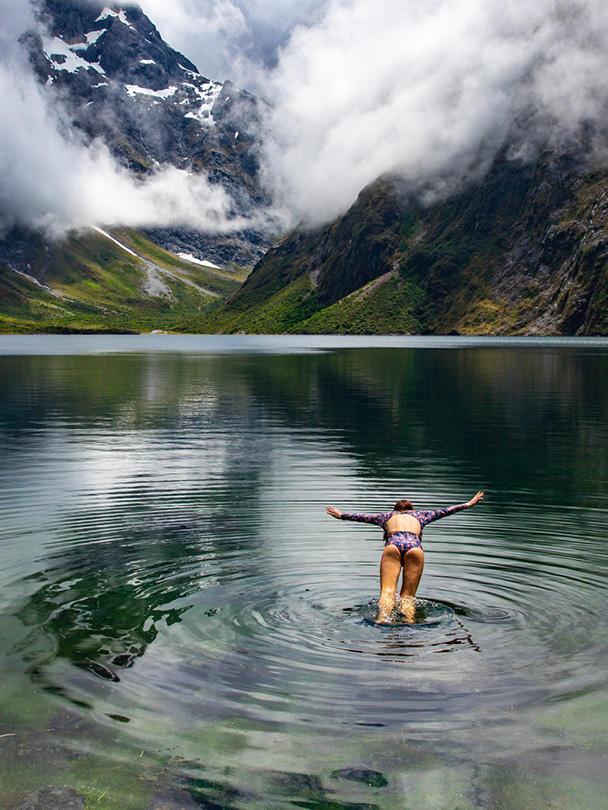
Don’t dive straight in. Step in slowly to allow your body to acclimatize. Sudden immersion can cause shock or hyperventilation.
2. Control Your Breathing
Focus on slow, steady breaths. Cold water can make you gasp involuntarily; controlling your breathing prevents panic and keeps your heart rate steady.
3. Swim with a Buddy
Never swim alone in cold water. Having a friend nearby provides safety in case of cramps, fatigue, or unexpected currents.
4. Keep Moving
Once in, move gently to maintain body heat. Avoid standing still for long periods, as cold water draws heat away from the body rapidly.
5. Know When to Exit
Listen to your body. Numbness, shivering, or difficulty coordinating movements are signs you should get out immediately.
After Your Swim: Recovery Matters
1. Exit Safely
Climb out slowly using stable entry points. Your muscles may feel stiff, so take care to avoid slips or falls.
2. Warm Up Gradually
- Wrap yourself in dry, warm clothing or blankets.
- Drink a hot beverage to help restore core temperature.
- Gentle movement like walking or stretching encourages circulation without shocking your system.
3. Shower if Needed
Rinse off after swimming, especially in rivers or lakes, to remove bacteria or debris.
4. Reflect and Track Progress
Note water temperature, duration, and how your body felt. Gradual adaptation helps you enjoy cold water swimming safely over time.
Final Thoughts
Cold water wild swimming offers a unique blend of physical and mental benefits, from boosting immunity to reducing stress. But safety must come first. By preparing properly, entering carefully, staying aware during your swim, and recovering mindfully afterward, you can enjoy the invigorating experience without unnecessary risks.
Start slow, respect the water, and you’ll soon discover why wild swimming has captured the hearts of outdoor enthusiasts around the world.